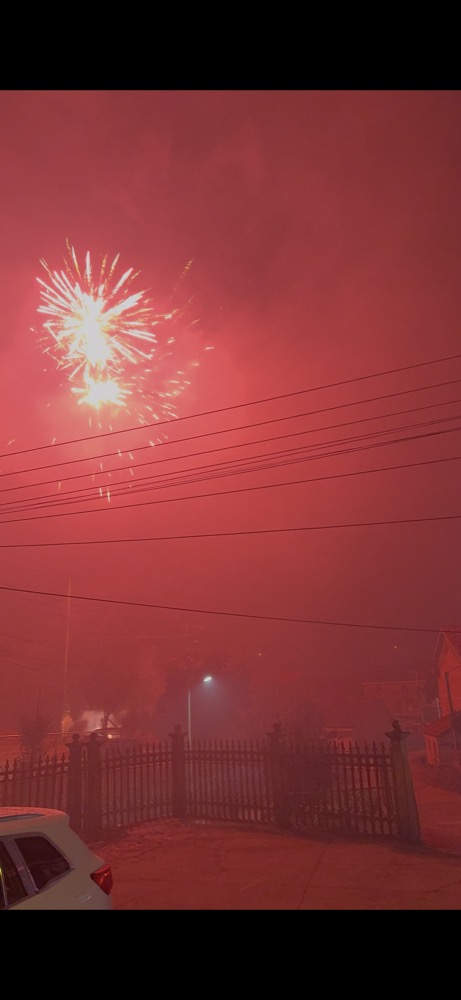

新的一年马年,祝平安喜乐,万事如意。
春节:团圆与新生的节日
春节是中国人最为重视的传统节日之一。人们平时常说的“过年”,一般指回到自己的家乡,与家人团聚,共同吃一顿团圆饭,在一年的最后一天辞旧迎新,迎接新一年的到来。
🧨 放爆竹、鞭炮
为什么春节要放爆竹呢?
有些书籍记载,这一习俗可以追溯到古代。相传在很久以前,常有野兽(也有说是鬼怪或不祥之物)侵扰人们的生活。人们希望在新的一年里平安顺利,于是发现竹子在火中燃烧时会发出爆裂声,声音巨大,能够吓退野兽。久而久之,过年时燃放爆竹便成为一种习俗,也象征着驱赶不好的事物,迎接喜庆与好运。
由于古代的爆竹最初是用竹子制作的,这也是“爆竹”一词中带有“竹”字的原因。
🍽 吃年夜饭(团圆饭)
在中国,一年的最后一天叫“除夕”,新年的第一天叫“大年初一”(正月初一)。因此,过年最重要的时刻,正是旧年结束与新年开始的交替之时。
除夕夜,一家人团聚在一起吃饭,这顿饭被称为“团圆饭”。
“年夜饭”和“团圆饭”在日常使用中常常可以互换,但在传统观念中仍有细微差别。长辈们认为,“年夜饭”除了团聚之外,还带有敬祖的含义。通常在天色完全暗下来之后开始用餐,餐桌上会多摆放几双筷子,象征邀请祖先一同用餐,表达对祖辈的敬意与感恩之情。
正是因为先辈的辛勤付出,才有后辈今日的团圆与幸福。因此,一家人围坐在一起共享年夜饭,也是一种对家庭与传承的珍视。
🎉 拜年
新年的第一天,许多地方都有“拜年”的习俗。人们会走亲访友,互相串门,送上祝福的话语。
对孩子们来说,拜年更是一件充满乐趣的事情,某种程度上有些类似西方的圣诞节。孩子们到长辈家拜年,通常会收到礼物或零食。因为每家准备的食物不同,孩子们往往能尝到各种各样的点心。
正因为拜年可以获得丰富的零食,许多孩子都十分期待这一天。有的甚至会跑到邻村去拜年,只为多收获一些“新年惊喜”,这也成为春节里一段有趣而温馨的记忆。
The Spring Festival: A Celebration of Reunion and New Beginnings
The Spring Festival is one of the most important traditional holidays for Chinese people. When people say “celebrating the New Year,” they usually mean returning home to reunite with family, sharing a reunion dinner, and welcoming the arrival of a new year on the last day of the old one.
🧨 Setting Off Firecrackers and Fireworks
Why do people set off firecrackers during the Spring Festival?
According to traditional stories, this custom dates back to ancient times. It is said that wild beasts (or sometimes evil spirits) would appear at the end of the year and threaten villages. People wished for peace and safety in the coming year. They discovered that when bamboo was burned in fire, it would crack and explode with loud noises, which could scare away the beasts.
Over time, setting off firecrackers became a New Year tradition. It symbolizes driving away bad luck and misfortune, and welcoming happiness and good fortune. Since early firecrackers were made from bamboo, this is why the Chinese word for firecrackers includes the character “bamboo.”
🍽 New Year’s Eve Dinner (Reunion Dinner)
In China, the last day of the lunar year is called “New Year’s Eve” (Chuxi), and the first day of the new year is called the first day of the Lunar New Year.
The most important moment of the celebration is the transition from the old year to the new one. On New Year’s Eve, families gather together to share a special meal known as the “reunion dinner.”
Although “New Year’s Eve dinner” and “reunion dinner” are often used interchangeably, some elders believe that the New Year’s Eve dinner carries an additional meaning — honoring ancestors. The meal is usually eaten after it becomes dark. In some families, extra chopsticks and seats are placed at the table to symbolically invite ancestors to join the meal. This tradition expresses respect and gratitude to previous generations, whose hard work made today’s family reunion possible.
Sharing this dinner is not only about food — it is about family, gratitude, and continuity.
🎉 Paying New Year Visits
On the first day of the Lunar New Year, many regions have the tradition of “paying New Year visits.” Neighbors, relatives, and friends visit each other’s homes and exchange good wishes for the year ahead.
For children, this tradition is especially exciting — somewhat similar to Christmas in Western countries. When children visit elders to offer New Year greetings, they often receive gifts or snacks. Since each household prepares different treats, children can enjoy a variety of festive foods.
Because of this, many children eagerly look forward to visiting as many homes as possible — sometimes even going to neighboring villages — just to collect more New Year goodies. It creates joyful and memorable experiences that stay with them for years.